Sales of physical albums and complete digital discography for listening and downloading in the highest quality on 
|
Sales of physical albums and complete digital discography for listening and downloading in the highest quality on |
                                |
ARTEFACTS
A compilative album of compositions. 1998-2022. At the very beginning, the project was dedicated to rather isolated, not quite typical products
of the author's work, but later it was transformed into a genre-relatively consolidated selection of compositions, originally created
almost exclusively (with the exception of the final composition) individually
for various compilations of the "Various Artists" type.
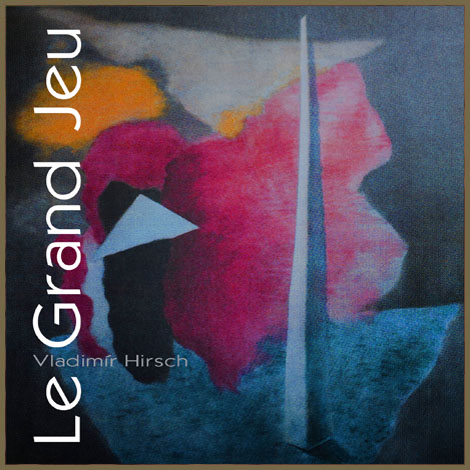
1 Exegete LE GRAND JEU
Thematic composition (or album of compositions) for sound-manipulated pianos and digital technology. Originally music for an audiobook
(Musique pour “Le Grand Jeu”), dealing with the eponymous artistic group, then a separate album “Le Grand Jeu”, which in addition to
the basic parts (Parties 1-4) also contains a short introduction and a final epilogue. The polytonal, polymodal
and aleatory character of the project underlines the existential statement of the work in the spirit of the thematic template.
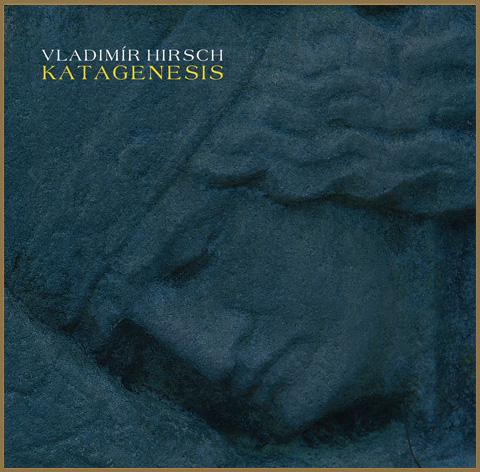
1 Entrée KATAGENESIS
The album of three opuses with similar thematic framework: Symphony No.5 "Axonal Transit", (tracks 1-4; Parts I-IV), Symphony No.6 "Metaspheres" (tracks 5-10; Parts I-VI) and Hymn (track 11).
(I) Axonal Transit - A four-part composition, considered "Symphony no.5" for electronics, strings, brasses and percussions manipulated by integrated
techniques, consisting in spatial variations of musical themes on ambient matrix. There are used methods of geometric articulation of sub-themes.
(II) Metaspheres - A six-part composition, considered "Symphony no.6" for integrated techniques and sonically manipulated strings with
dense atmosphere, microtonality and insight into amorphic harmonic structures with the slow, heavy rhythmical patterns.
(III) Hymn - variations on theme of old Czech chorale "St.Wenceslas" in integrated digital and analog sonic design
of the orchestral instrumentation.
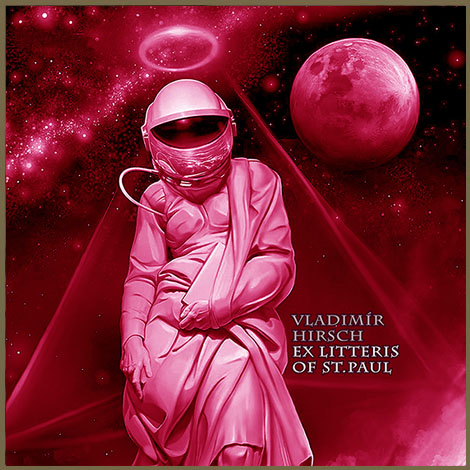
Symphony No.5 "Axonal Transit" EX LITTERIS OF ST.PAUL
Thematic album. Conceptual work of a space-ambient nature, based on selected quotations from the epistles of St. Paul,
where each of them belongs to one composition. Inspired by the painting "Saint Paul of the New Century" by Vladimír Hirsch Jr.
(artistic names Vladimír Hirscher or Caer8th), which became the cover of the album. The album follows the artist's cosmogonic vision
with its sound, based mainly on the electro-acoustic principle. However, at the same time,
its content is a kind of dialogue, juxtaposing different philosophical views of the protagonists, without their clashing.
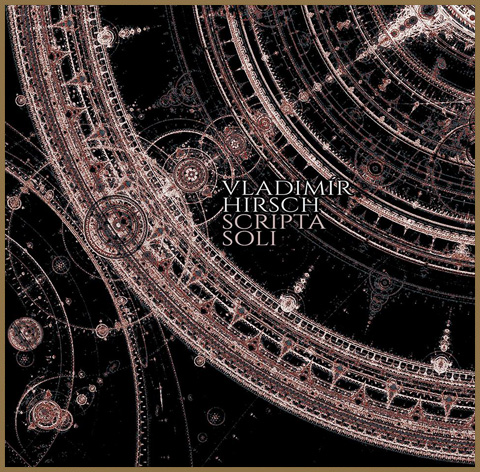
1 Colossians (Col 3:15) SCRIPTA SOLI
Thematic album for integrated techniques & field recordings. 2012-2017. Released on CD (©2017 Old Captain - OCCD33).
Inspired by the Russian sci-fi movie "Letters Of the Dead Man" by Konstantin Lopushanskiy (1986). The album is based on a fictive experience during
apocalyptic war catastrophe, perceived from the position of a person imprisoned in the bunker. It consists descriptions of feelings and visions in echoes of
devastating actions on the surface, as though, all sonically interpretated by the ground. Musical idea and rendition of the figurative opus is carried out as "musique concrète intergrée" (cit. T.Saivon) by the work with field recordings,
electroacoustic and digital techniques through metamorphic musicalization of primarily non-musical elements. Musicians: Vladimír Hirsch - electronic keyboards, synthesizers, samplers, pianos, digital technologies, field recordings, spoken word; Nadya Feir - vocals, Dominika Karčovská - vocals (soprano),
production by Tom Saivon.
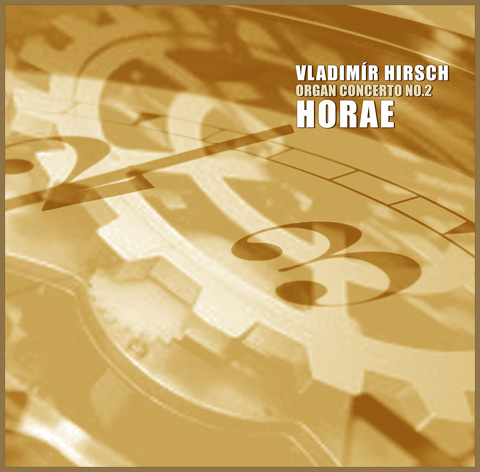
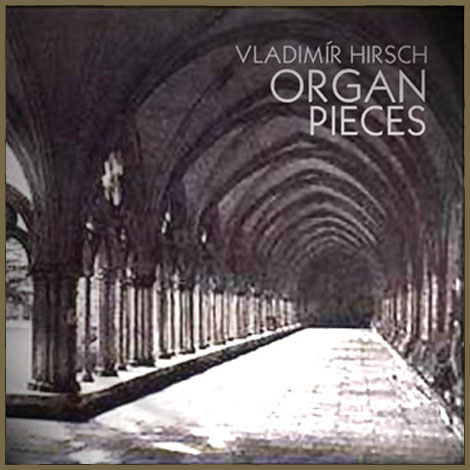
1 Indictum HORAE (ORGAN CONCERTO NO.2)
Concerto for organ, integrated techniques, clockworks and field recordings, op.90, with the subtitle "Organ Concerto No. 2," whose orginal version
was composed in 2011. Conceptual composition, working - in terms of sound conception and metaphorically - a study of voluminal properties of sound and
their horizontal and vertical interactions in time and space. Musicians: Vladimír Hirsch - organ, piano and other keyboards, synthesizers, electronics, field recordings, hourly mechanics, digital technique. Studio participation by Czech Integrated Ensemble - strings, brasses, percussion. The album recorded live at the Cultural Centre "Žižkostel" (Church of the Czechoslovak
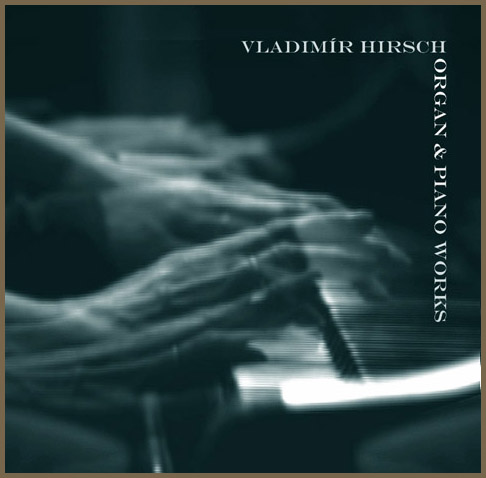
Hussite Church, Barikád Square, Prague 3, 25 April 2015. Mix: CatchArrow Recordings studio, Prague, Czechia. 1 Ingressa SELECTED ORGAN & PIANO WORKS
The selection of compositions, created between 1977 and 2012. The collection combines unpublished tracks or adjusted versions of previously released material.
All tracks revisited, re-recorded and remixed at CatchArrow Recordings studio, Prague, Czechia, 2012. Musicians: Vladimír Hirsch – organs, pianos, electroacoustic,
analogue and digital techniques. Index: Cats On The Rooftop, op.4, 1977; Six Bagatelles, op.16; 1987; Partita For Piano, op.18, 1988; Aion, op.33, 1992; Detaxichen, op.41; 1996;
Nostalgie, op.43, 1997; Organ Preludes z op.39, 58 a 64; Danze e marce, op.57, 1998; Hymnus č.2, op.56, 1998; Elegy, op.65, 2001; Third Eye, op.69, 2003; Nenia, op.62, 1999-2008; Trigonal Sonata, op.71, 2004; Jákob's Ladder, op.83;
2009; Amorpheae op.86, 2010; Lamiade: Symmetric Variations, op.88, 2012.
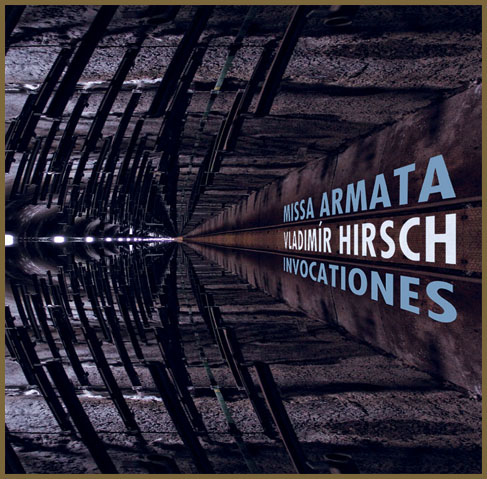
DISC 1: MISSA ARMATA . INVOCATIONES
The album combining two works for integrated techniques: the industrial mass "Missa Armata", op.64, 1999-2010 and the cycle of four musical prayers
"Invocationes", op.66. 2002-2012. Both are thematically (liturgical musical units) and by means of expression to each other, that is why they were included
on a common disc and released in 2012, more than 10 years after their creation.
(I) "Missa armata", op.64, created in 1999, is an electronic "field mass" with standard liturgical parts corresponding to a simple central
epic framework. The original version of the album offers a highly structured industrial sound integrated with classical instrumentation.
Musicians: Vladimír Hirsch - electronic keyboards, synthesizers, samplers, digital technology
(II) Cycle of four musical litanies (prayers). Compositions with strong ritual characteristics, with dominating industrial sound and (spoken or sung)
religious lyrics in a dark-ambient atmosphere. Musicians: Vladimír Hirsch - electronic keyboards, synthesizers, vocals, spoken word. integrated techniques,
Tom Saivon - samples, Martina Sanollová - vocals. Texts: St. Augustine, Raccolta (Enchiridion Indulgentiarum).
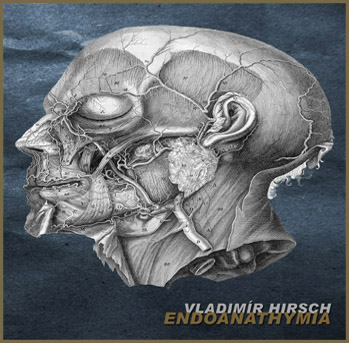
ENDOANATHYMIA
Conceptual album for pianos and integrated techniques, op.70, in rearranged and remastered version, originally created in 2004 under
the name "Hermeneutic Cycle". Contemporary classical musical framework, with attributes of integrated compositional techniques, based the dialogue
of electroacoustically transformed classical instruments of the dominance of pianos themes with ambient structures. Musicians: Vladimír Hirsch - pianos, elektronic keyboards, electroacoustic and digital
techniques, field recordings. Mastered by V.Haňka.
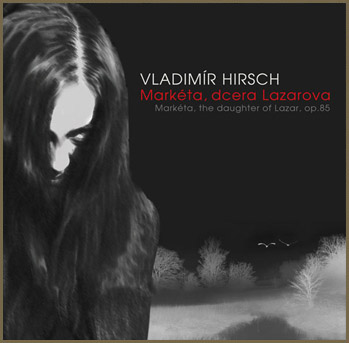
MARKÉTA, THE DAUGHTER OF LAZAR
Conceptual album, op.85, 2009-2010. Adaptation of the soundtrack to the stage play “Markéta, dcera Lazarova”, a romantic drama,
based on Vladislav Vančura's epic novel. Application of a contemporary classical musical form, colored by an industrial and dark-ambient sound oscillating from the central sacral choral motifs,
through dramatic eruptions to very lyrical sequences. Musicians: Vladimír Hirsch – electronics, keyboards, digitdigital technique; Czech Integrated Ensemble & Choir. An emotional musical story, mapping in detail its epic in short sequences,
with a religious subtext in the spirit of the original strategy of stage play adaptation.
UNDERLYING SCAPES
Thematic album for integrated techiniques, op.68. 2002-2003. A dark-ambient album with original name "De regionibus liminis", devoted to the theme of
subliminal perception and its musical application. An abstract conception of the confrontation between the surreal and real world (artificial ambient versus realistic industrial sound).
In 2009, the album was completely revised and released as part of a collection of original works entitled “The Assent To Paradoxon” (© 2010 Ars Benevola Mater) under the title "Underlying Scapes" as a bonus CD of the set.
Musicians: Vladimír Hirsch - electronic keyboards, synthesizers, digital technique.
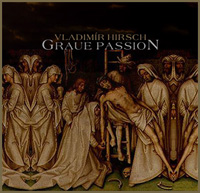
SYMPHONY No.4 "DESCENT FROM THE CROSS" (GRAUE PASSION)
Symphony for integrated orchestra, mixed choir and soloists, op.67, 2001-2005. A composition originally inspired by Dostoevsky's interpretation of
the painting of the same name (Gray Passion) by Hans Holbein. The album combines means of expression in a way that corresponds to the author's concept
of an integrated musical form. The first version (Symphony No.4 "Descent From The Cross") is part of a set of author's works entitled "The Assent
To Paradoxon" (© 2010 Ars Benevola Mater). Musicians: Czech integrated ensemble and choir, Vladimír Hirsch - keyboards, samplers, computer technology;
Dominika Karčovská - soprano, Martina Sanollová - mezzo-soprano. In 2008, the song was recorded live, studio edited, rearranged and released under
the title "Graue Passion" by the label Ars Benevola Mater the following year. Musicians: Czech Integrated Ensemble and Choir, Vladimír Hirsch - keyboards,
digital technology, Martina Sanollová - solo vocals.
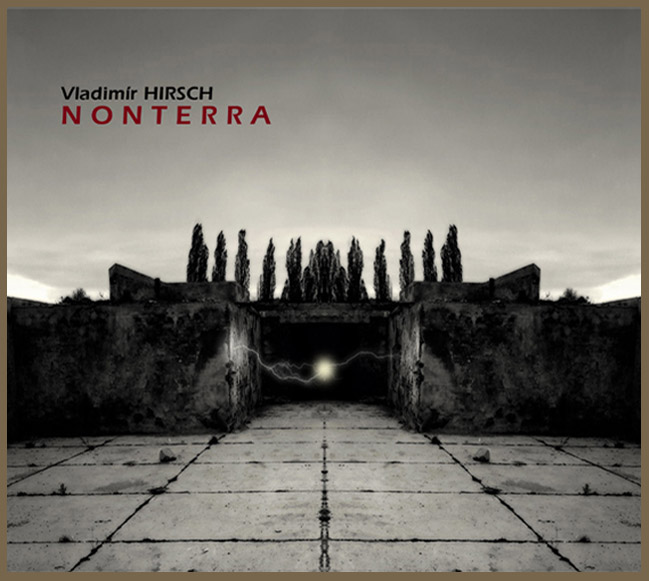
NONTERRA
Thematic album. 2005. Musical means intertwine themes of neoclassical and dark-ambient type with memorizing cyclical elements of fashion trends
popular music, which rhythmically, structurally and melodically attack. Musicians: Vladimír Hirsch: synthesizers, drums, samplers, computer.
Production: Tom Saivon. Mastering: Jan Seibt. Album released only as an integral part of the collection "The Assent To Paradoxon".
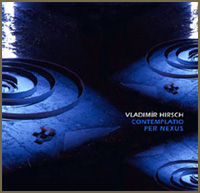
1 Ante lucem CONTEMPLATIO PER NEXUS
Thematic album for integrated techniques, op.77, 2007-2008. Extensive composition on a neoclassical instrumental basis of dark-ambient character on a philosophical-theological theme, inspired by the work "Teologia spiritualis mystica", dealing with
with the process of transformation of human consciousness during mystical contemplation. Published both individually and as a part of the set of author's
works entitled “The Assent To Paradoxon” (© 2010 Ars Benevola Mater). Musicians: Vladimír Hirsch - keyboards, synthesizers, samplers, computer technology), Dove Hermosa aka Dawn Carlyle (vocals, lyrics), Czech Integrated Ensemble - instruments from the cast of a classical symphony orchestra.
The album also exists in an unofficial, longer, fragmented version with the addition of the name "in sequentiis", where the composition units consist of 23 individual sequences.
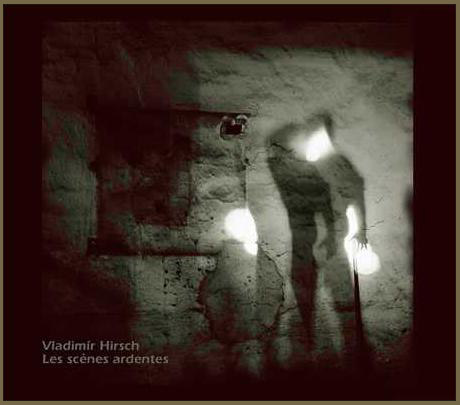
1 Contemplatio per negationem (Vestibulum - Obscuritas - Sitis - Tortio sensuum) LES SCÈNES ARDENTES
Cycle of compositions for integrated techniques, music ensemble and solos, Op. 75, 2005. A conceptual album created from the themes of the author's stage music, which are elaborated here and with its epic and formal characteristics
combined into a whole. Musicians: Vladimír Hirsch - synthesizers, drums, samplers, computer, mix, Czech Integrated Ensemble - instruments from the cast of a classical symphony orchestra,
Martina Sanollová - mezzo-soprano, Dominika Karčovská - soprano, Tom Saivon - production, Vojtěch Haňka - mastering. Published both individually and as part of a set of author's works entitled “The Assent To Paradoxon” (© 2010 Ars Benevola Mater).
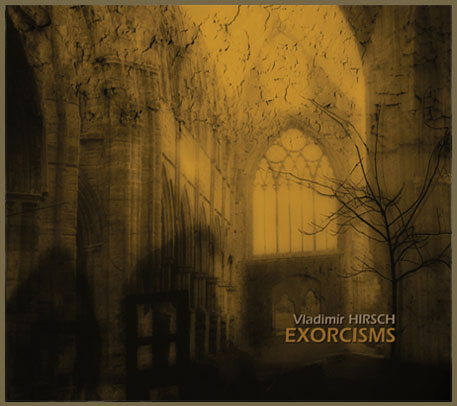
1 Introduction EXORCISMS
Thematic album of compositions for integrated techniques, Op. 61. 1999-2006. Monolithic work entirely in the spirit of an integrated musical concept with an overall dark-ambient-neoclassical tone. Musicians: Vladimír Hirsch - piano and other keyboard instruments, samplers, computer technology, Martina Sanollová - vocals, Dominika Karčovská - vocals, Czech integrated ensemble.
Production: Tom Saivon. Mastering: Jan Seibt. Published both individually and as part of a set of author's works entitled “The Assent To Paradoxon” (© 2010 Ars Benevola Mater).
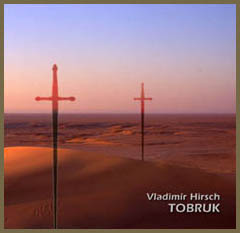
1 Confiteor TOBRUK
Album, originally a soundtrack. The album created from film music intended for the film "Tobruk" - a personal story from the environment of a Czech military unit
in Libya during the famous battle of World War II. Twelve compositions, named mostly descriptively according to film images and connected by the story axis.
Musicians: Vladimír Hirsch - keyboards, synthesizers, samplers, digital technology), participation: Martina Sanollová (vocals)
a Czech Integrated Ensemble. Mastering: Vojtěch Haňka.
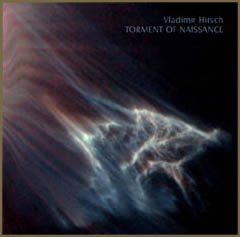
1 Agami (Introduction) TORMENT OF NAISSANCE
Thematic album on a creationist theme. 2007. Studio elaboration of a concert program, adjusting compositions into a more pronounced noise form of a dark-ambient-neoclassical integrated form.
Musicians: Vladimír Hirsch - synthesizers, samplers, digital technology.
Participation: Dove Hermosa (vocals, lyrics). Mastering: Vojtěch Haňka.
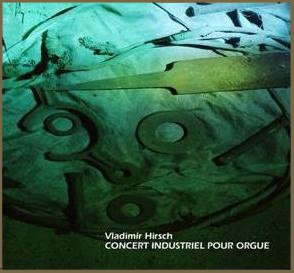
CONCERT INDUSTRIEL POUR ORGUE
Concerto for organ, electronic keyboard instruments, percussions and ensemble, Op.49. 1998. Composition of a framework classical form with a significant component of the industrial matrix.
In 2004, the third, final version of the concert was created, which differs from the original by a more concise concept. The song was officially released in this form. Musicians: Vladimír Hirsch - organ,
electronic keyboard instruments; Czech integrated ensemble. Published both individually and as part of a set of author's works entitled "The Assent To Paradoxon" by the Italian label Ars Benevola Mater.
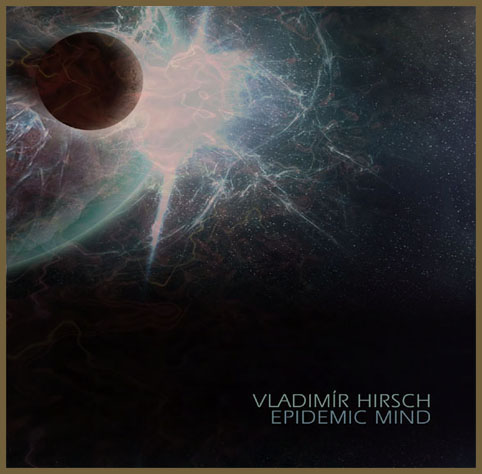
EPIDEMIC MIND
Conceptual album. 2007. Dark ambient, futuristic melodrama. Cosmogonic atmosphere with internal microtonal melodic chaos against the background of rhythmic order
along with machine declamation of an apocalyptic warning message. Microtonal chaotic melody on the background of rhythmic order. Originally a conjoint project of composer and instrumentalist Vladimir Hirsch and Japanese cyberpunk writer Kenji Siratori,
an avant-garde poet and novelist whose surrealist-futuristic style does not take into account traditional practices and connections and provides a critical look at the digital age.
Musicians: Vladimír Hirsch - composition, all instruments, programming; Kenji Siratori - lyrics, spoken word.
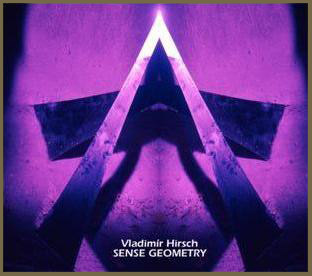
1 Genetic Doctrine SENSE GEOMETRY
Album of compositions for synthesizers, drums and digital technology, op.54 points 1998-2004. Electronic industrial song album for synthesizers, percussion instruments and digital
technique. The project is based on the musical application of the fictional symbolism of "fractal musical geometry". It uses interval logic signals for this purpose,
rhythm, construction and instrumentation. The officially released recording is the second and final, remixed version (2004)
original record from 1998. Musicians: Vladimír Hirsch: keyboard instruments (synthesizers, samplers, piano), drums, computer technology.
Published both individually and as part of a set of author's works entitled “The Assent To Paradoxon” (© 2010 Ars Benevola Mater).
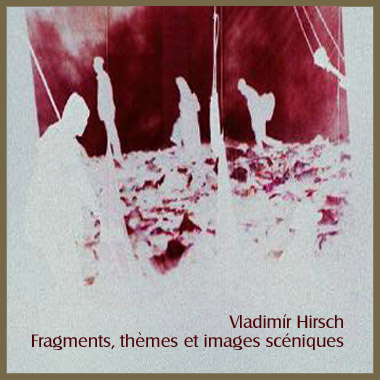
FRAGMENTS, THÈMES ET IMAGES SCÉNIQUES
A selection of stage music. Two discs survey of selected fragments, themes and images from the author's
stage music production, created in the period 1990 - 2004. Musicians: Vladimír Hirsch - synthesizers, drums, samples, computer, mix,
Czech Integrated Ensemble and Choir, Martina Sanollová - vocals. Mostly short compositions in rearranged versions.
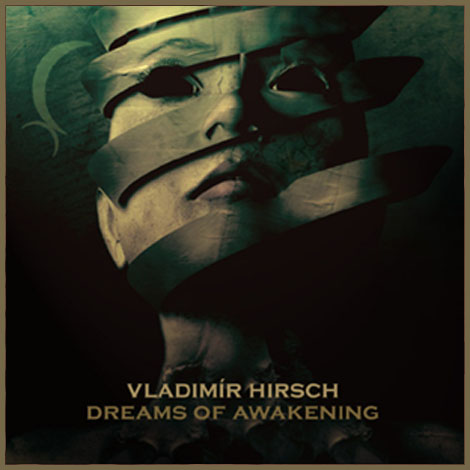
DREAMS OF AWAKENING
Thematic album, op. 58, 1999. Dark-ambient electronic album, built on rock schemes with a unifying concept of melodramatic processing of lyrics, retelling
the author's dream vision. Rock bases are internally combined with sampled loops. The original version called "Dream Monsters Exorcism" recorded under the heading "Subpop Squeeze".
The album has no connotation with the album "Exorcisms", created in the spirit of the basic concept of the author's compositional orientation. Musicians: Vladimír Hirsch - synthesizers, percussion instruments, samples, computer technology, lyrics, singing and spoken word.
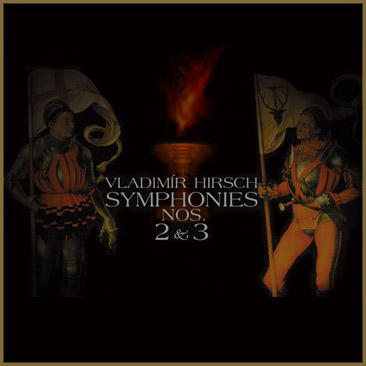
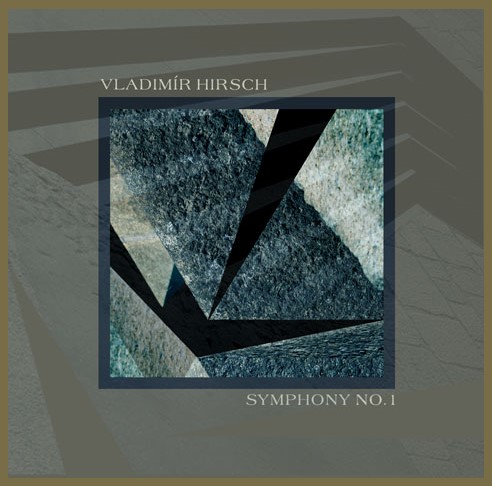
Two symphonic compositions: Symphony No.2 for synthesizers and an integrated ensemble with the subtitle "Defensa", op.47 (1997) and Symphony No.3 with the subtitle
"Brands Of Tyrany" for an integrated ensemble, organ and percussion with the subtitle "Sinfonia integra for orchestra, organo and percussion ", op.52 (1998).
(I) Symphony No. 2 is intended for the so-called "integrated orchestra" (as well as most of the author's works of this type), using both electronic instruments,
which dominate in this work, as well as authentic instrumentation of a classical symphony orchestra, only slightly colored by industrial and ambient
structures. Musicians: Vladimír Hirsch - synthesizers and keyboard instruments, participation: Czech Integrated Ensemble. A revised version from 2001 has been released on the joint album.
(II) Symphony No. 3 is a relatively classical composition, formally representing the full integration of organically classical orchestration with electronics and industrial
elements. The composition of sixteen mostly short parts has a martial character. Musicians: Czech integrated ensemble, Vladimír Hirsch - organ and other keyboard instruments. Participation: Martina Sanollová - singing.
The album includes a second, revised version (2001).
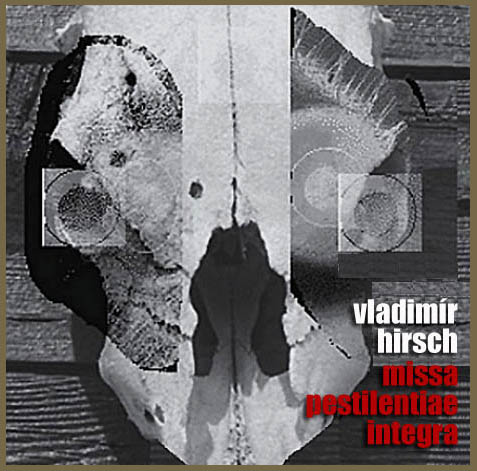
MISSA PESTILENTIAE INTEGRA
Mass for integrated ensemble and female vocal, op. 59, 1999. Adaptation of Diamanda Galás album "Plague Mass"(1990, Mute Records) in arrangement and concept of Vladimír Hirsch, supplemented by a few original compositions.
It is a nesting in of authentic parts of Diamanda Galás’ „Plague Mass“ into an integrated composition, supplemented by a
few shorter compositions and conceived as an authorial partnership. The album is adapted into the formal structure of a classical mass
with all liturgical parts.Musicians: Diamanda Galás: vocals, piano, Vladimír Hirsch: compositions 1, 3 and 10 (& arrangement of other compositions),
organ, synthesizers, noises, mix, David Linton: drums, percussion, Blaise Dupuy: keyboards, Ramon Diaz: electronic percussion, Michael McGrath: tapes.
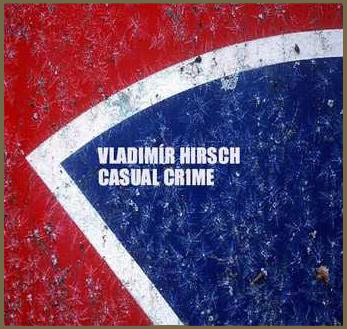
CASUAL CRIME
Album of compositions for jazz quartet. 1998. Trackd are based on romanticizing and ethnic themes, elaborated in a standard way within
jam session of a classical jazz quartet. This is partly a reminiscence of the composer's interest in jazz music, including the editing of some compositions
from that period (e.g. Remembrance 77). Musicians: Vladimír Hirsch - piano, Zbygniew Zieliński - alto saxophone, Jean-Jacques Cerf - double bass,
Ted Hart - drums & percussion. The original material also contained a cover version of the well-known "My Bloody Valentine".
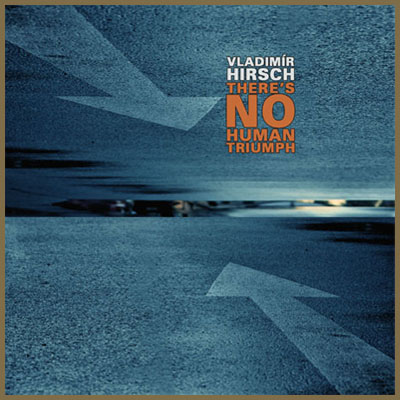
THERE'S NO HUMAN TRUMPH
Compilation of compositions for synthesizers, samples, radio recordings and vocals 1995-99. Musicians: Vladimír Hirsch - synthesizers, percussion instruments, samples, computer
technique. Album of industrial and alternative rock songs. The first version was named after the original albums "Arsenica / Less Than Nothing", recorded under the solo project "Subpop Squeeze". Musicians: Vladimír Hirsch - synthesizers, percussion instruments, samples,
computer technology.
|